Autonomy raises a simple question, what happens when the driver disappears but the job still needs to get done? Seriously, who plugs in the charger, who watches passengers, and who decides what a “safe” robot even looks like?
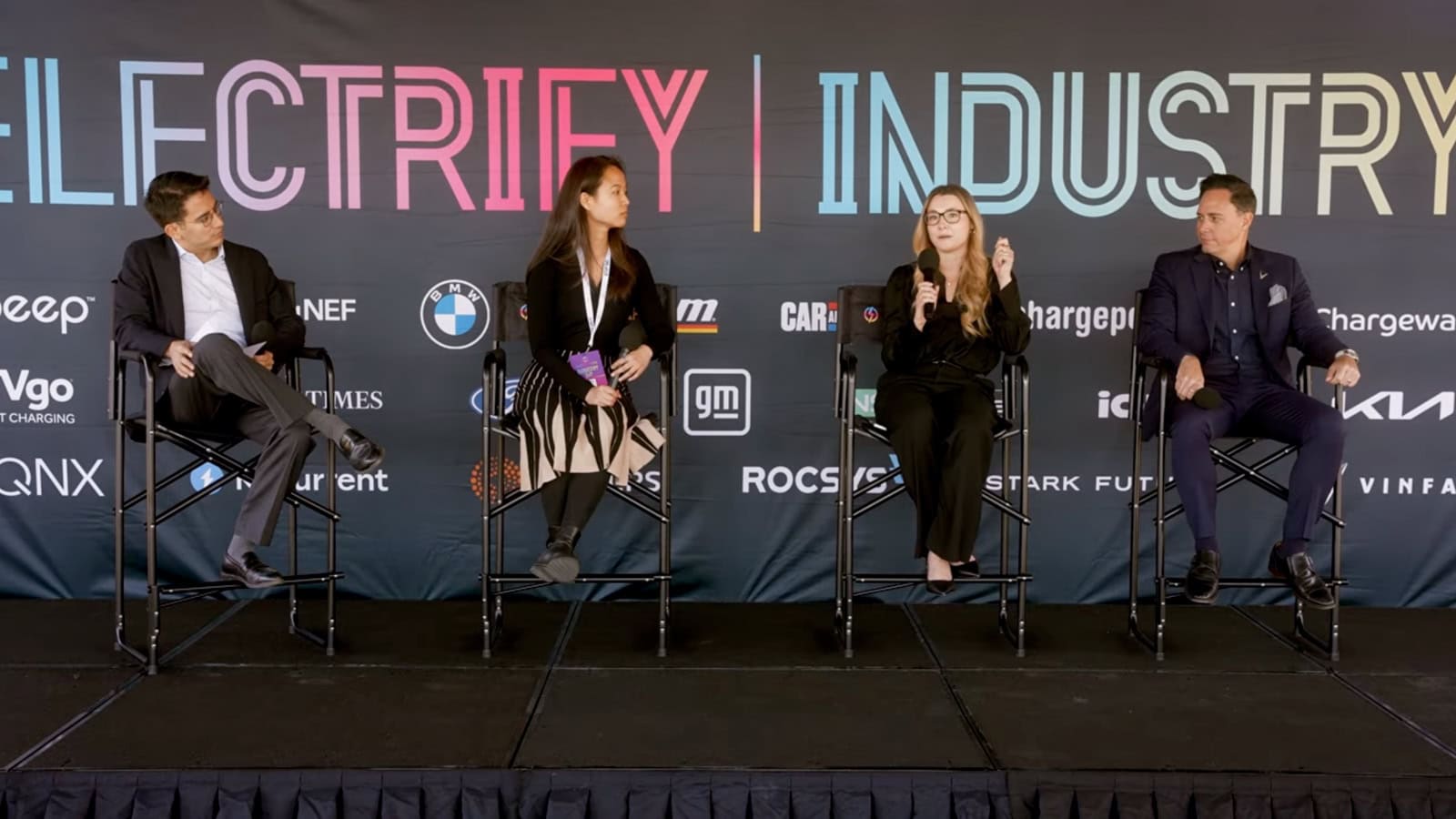
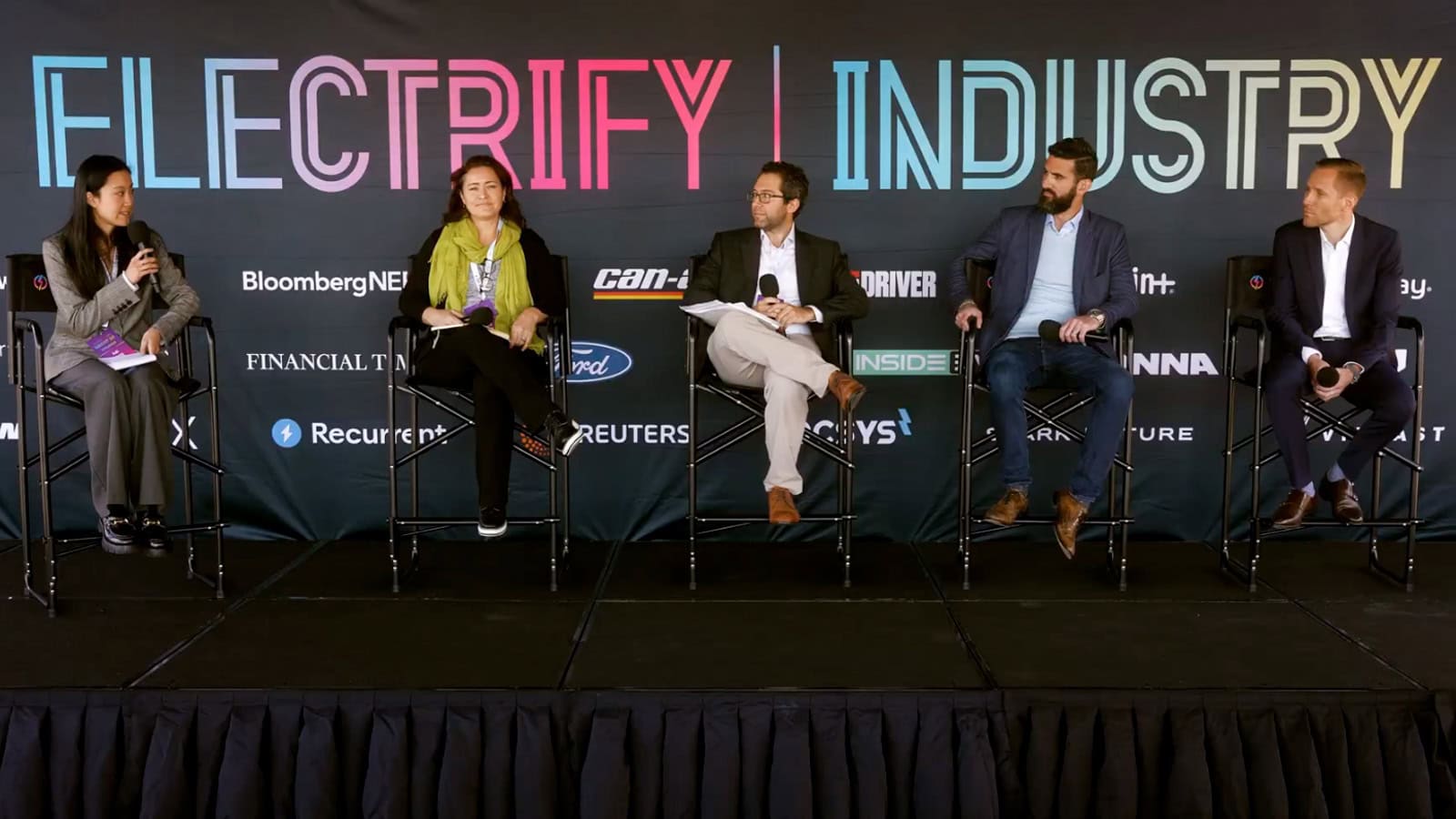
That question sits right at the center of this Electrify Expo Industry Day conversation, and the answers get surprisingly real, surprisingly fast.
One of the speakers basically laughed and said people treat autonomy like fancy chatbots and cool software. Then you remember real roads exist. Real drivers, rush hour, chaos, random Tuesday traffic. Suddenly you’re wondering how this actually works out there.
Clayton Tino from Beep explains it in a way that sticks. His company doesn’t build autonomous vehicles, he says, they are “the airline that takes the vehicle and actually puts it into operation.
ADVERTISEMENT
That simple comparison says everything. Because running autonomous shuttles turns out to be less about futuristic tech and more about operations, safety validation, passenger behavior, and the awkward truth that someone still needs to think about cleaning, scheduling, and emergencies.
And charging? That rabbit hole gets wild. Mark Henderson from Rocsys explains the obvious problem nobody thinks about: when there is no driver, who plugs in the car? Their answer involves robotic arms that grab charging cables and connect vehicles automatically. Yes, actual robot arms plugging in cars.


Quick story you’ll appreciate. Their robot suddenly couldn’t plug in a car. Everyone thought something broke. Turns out it was morning dew on a spiderweb sitting right where the plug goes. So they had to train the AI to recognize spiderwebs. This was a real job, a real fix, and real life.


The conversation keeps circling back to safety, accessibility, and the unpredictable human factor. AI monitors vehicle interiors for emergencies. Remote command centers keep watch. New services launching soon will run without onboard attendants. And yet, the speakers admit there are still debates around what “safe” even means when a machine replaces a human driver.
Curious how all of this actually works in the real world? The full discussion pulls back the curtain in a way headlines never do. The video is worth your time.
ADVERTISEMENT

VIDEO: ELECTRIFY EXPO
FTC: We use income-earning auto affiliate links. Learn more.