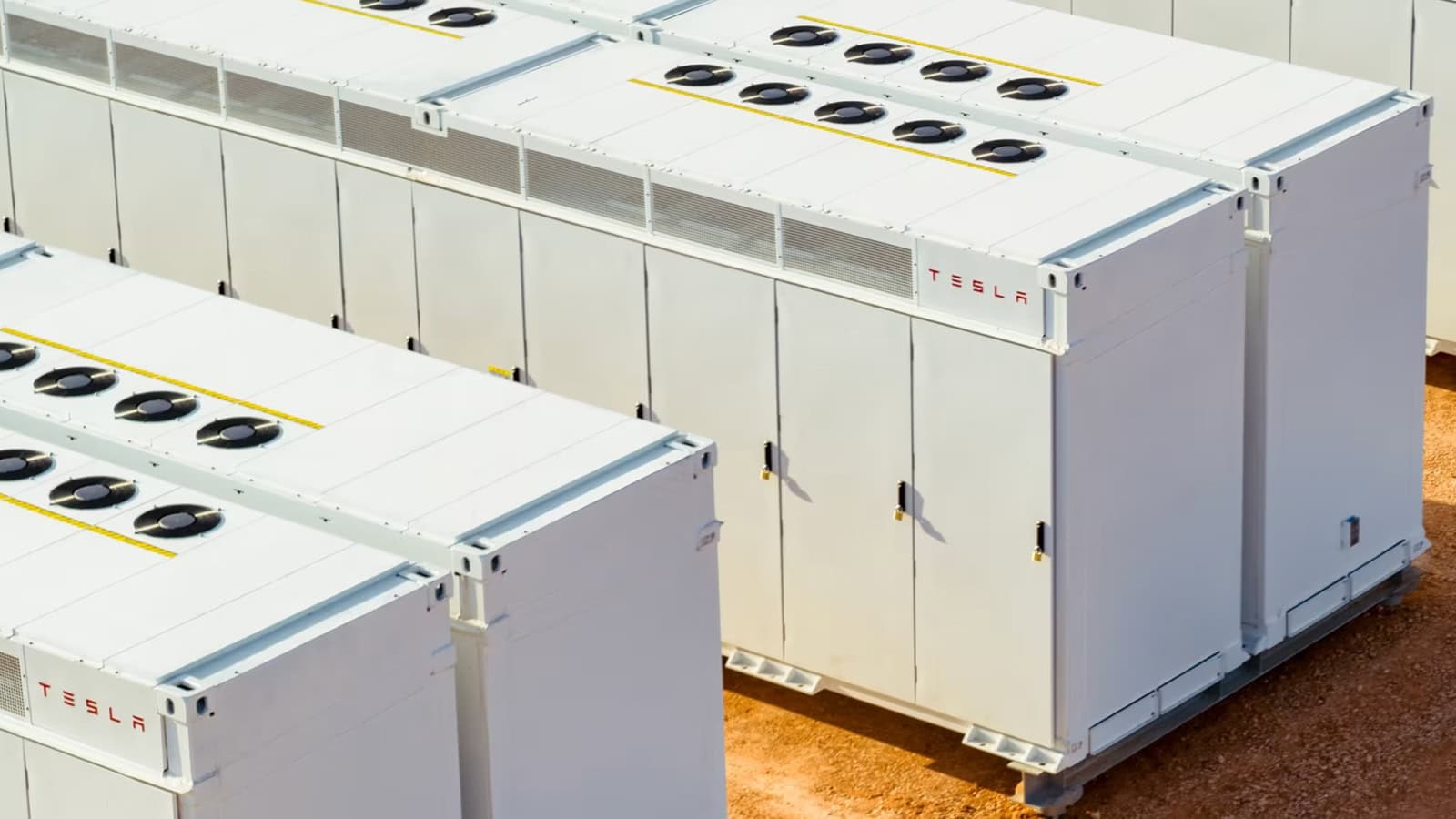
- Matrix Renewables and Tesla signed a full EPC agreement for a 500 MW, two-hour standalone battery energy storage system in Eccles, Scotland.
- The project holds full planning consent and sits along key transmission routes between Scotland and England to improve grid flexibility.
- Installation supports UK Clean Power 2035 goals and Net Zero 2050 targets while opening Matrix Renewables’ UK market entry.
ADVERTISEMENT
The UK power grid has a quiet problem that hardly anyone talks about at dinner. Electricity keeps pouring in from wind and solar, yet the grid still struggles with timing. Power shows up when demand takes a nap, then fades when everyone plugs in kettles, cars, and heat pumps.
That tension explains why Matrix Renewables signing a full EPC agreement with Tesla for a 500 MW, two-hour battery energy storage system in Eccles, Scotland feels like a breath of fresh air.
Nothing flashy or hype-heavy. Just serious infrastructure doing serious work.

This project, a 1 GWh standalone battery energy storage system, plants itself along key transmission routes linking Scotland and England. Location matters here, because congestion on those corridors can waste clean electricity that already exists.
Large-scale batteries soak up surplus energy and release it later, a bit like a shock absorber for the grid. Engineers call this grid flexibility. In everyday terms, it means fewer spikes, fewer shortages, and fewer moments when clean power gets curtailed while gas plants fill the gap.
Matrix Renewables secured full consent and cleared all planning conditions, which clears the runway for construction.
For the company, this installation opens the door to the UK market with authority.
For the grid, it adds a utility-scale storage asset sized for real-world demand.
ADVERTISEMENT
Sergio Arbeláez, Managing Director for Europe and Latam at Matrix Renewables, stated, “We are delivering infrastructure at the scale required to support the UK’s transition to a clean, secure, and resilient power system.”
He also pointed to execution, adding that the installation proves Matrix Renewables can run complex storage builds through strong collaboration and long-term strategy.
Tesla brings the hardware muscle here, with years of battery storage experience across the US, Australia, and Europe. Grid operators already rely on Tesla systems to stabilize frequency, manage peak demand, and backstop renewable generation.
Mike Snyder, Energy Vice President at Tesla, highlighted the mutual respect behind the project saying, “We are excited to support Matrix Renewables with their entry into the UK, bringing Tesla’s track record in the market together with Matrix Renewables’ expertise and vision. We highly value the partnership with their team and look forward to executing this landmark project together.”
The language stays measured, yet the meaning lands. Two firms with deep benches found common ground and went to work.

Technical oversight reads like a who’s who of energy advisory firms. Enertis leads technical due diligence, GHD acts as Technical Advisor, and Black & Veatch serves as Owner’s Engineer.
That trio keeps quality, safety, and performance tight from design through commissioning.
For anyone skeptical of battery storage, this lineup matters. It reduces risk. It keeps timelines realistic. It protects grid operators from unpleasant surprises once the switch flips.
The local angle also matters. Matrix Renewables signed a collaboration agreement with the Community Council near Eccles, committing to initiatives that bring lasting value to residents.
ADVERTISEMENT
Energy infrastructure often faces resistance when locals feel sidelined. Here, the approach acknowledges that trust builds projects faster than press releases ever could.
From a policy lens, the timing lines up neatly with the UK’s Clean Power 2035 ambition and the Net Zero 2050 target.
Standalone battery energy storage systems play a central role in those plans because renewables alone cannot manage variability. Storage fills the gaps, balances supply and demand, and cuts reliance on fossil peaker plants that fire up during demand spikes.
Energy analysts across the US and Europe increasingly point to grid-scale batteries as one of the fastest ways to cut emissions without sacrificing reliability.

Matrix Renewables has bigger plans waiting in the wings. The company continues to line up renewable generation, energy storage, and emerging technology projects across the UK, with capacity growth that could reach 3 GW in the coming years.
That pipeline hints at scale and staying power, two traits utilities and regulators quietly demand.
This Scotland project matters but because it solves a real problem with real hardware, real permits, and real accountability. Sometimes progress arrives quietly, tucked behind acronyms like EPC and BESS. Then one day, the lights stay on, prices calm down, and no one thinks twice. That tends to be the point.
ADVERTISEMENT

IMAGES: TESLA
FTC: We use income-earning auto affiliate links. Learn more.