- Mobile EV power trailers allow fleets and worksites to operate without relying on utility grid access.
- High-capacity lithium-ion batteries combined with multiple energy sources create stable on-site power.
- Flexible financing removes capital barriers that often stall EV adoption.
ADVERTISEMENT
Here is the uncomfortable truth that fleet managers, event producers, and emergency planners rarely say out loud. Electric vehicles are ready. The grid often is not. And waiting years for permits, trenching, and utility upgrades feels absurd when vehicles already sit on site needing energy now.
That gap, the one between ambition and reality, has quietly slowed adoption in places that actually need EVs the most.

Construction yards, disaster zones, rural worksites, temporary festivals, and municipal fleets parked overnight in depots built decades ago. You know the places. The irony bites. These are exactly the operations that benefit from electric drivetrains, lower operating costs, quieter equipment, and cleaner air. Yet they remain boxed out by infrastructure timelines and capital budgets.
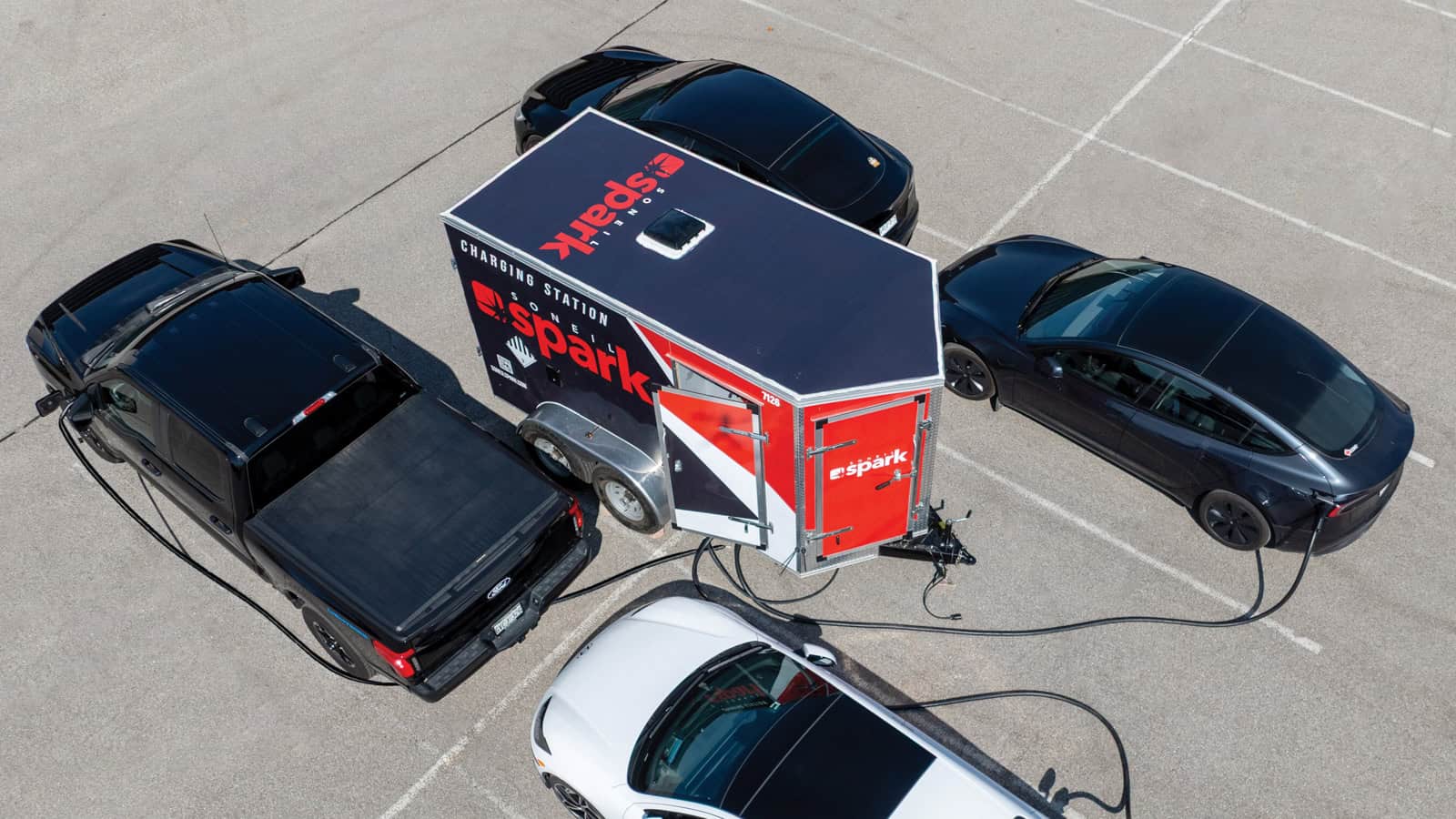
That tension explains why mobile EV power systems have caught on across North America. Not the lightweight trailer ideas that can barely handle a handful of vehicles, but real mobile microgrid platforms built with high-capacity lithium-ion batteries and smart energy controls.
They pull from multiple inputs, solar, wind, natural gas, propane, even generator backup when necessary. Software manages all of it in real time, balancing storage and supply so power flows smoothly instead of hitting a single inverter limit
ADVERTISEMENT
Soneil, a company with three decades in advanced electronics and more than one billion dollars in property holdings, now applies that experience to mobile EV power through its customizable mobile trailer platform.
The unit functions as a self-contained microgrid or integrates directly with existing systems on site. Grid constraints often look different week to week. One day there is limited utility access, and the next day there is none at all.
A microgrid runs power locally rather than relying entirely on the main grid. Batteries store energy, multiple sources feed those batteries, and software decides how and when energy flows to vehicles and equipment.
The result feels boring in the best way. It’s consistent, predictable, and reliable. That reliability explains why interest spans from municipal fleets to mining operations to emergency response agencies.

There is no luxury of waiting five years for grid upgrades. Mobile energy allows electrification now, with permanent infrastructure addressed later.
Upfront equipment purchases drain working capital, strain credit lines, and complicate approvals. Soneil structured financing across the U.S. and Canada with pre-established asset values, which shortens approval timelines and keeps monthly payments predictable.
Fixed payments help planners sleep at night. Custom schedules align with seasonal revenue. Fleets preserve capital for vehicles, labor, and growth instead of sinking it into a single asset.

Financing flexibility often decides adoption more than technology. When payments align with cash flow, projects get approved.
That rings true across the industry. Adoption accelerates when procurement teams see clarity instead of complexity.
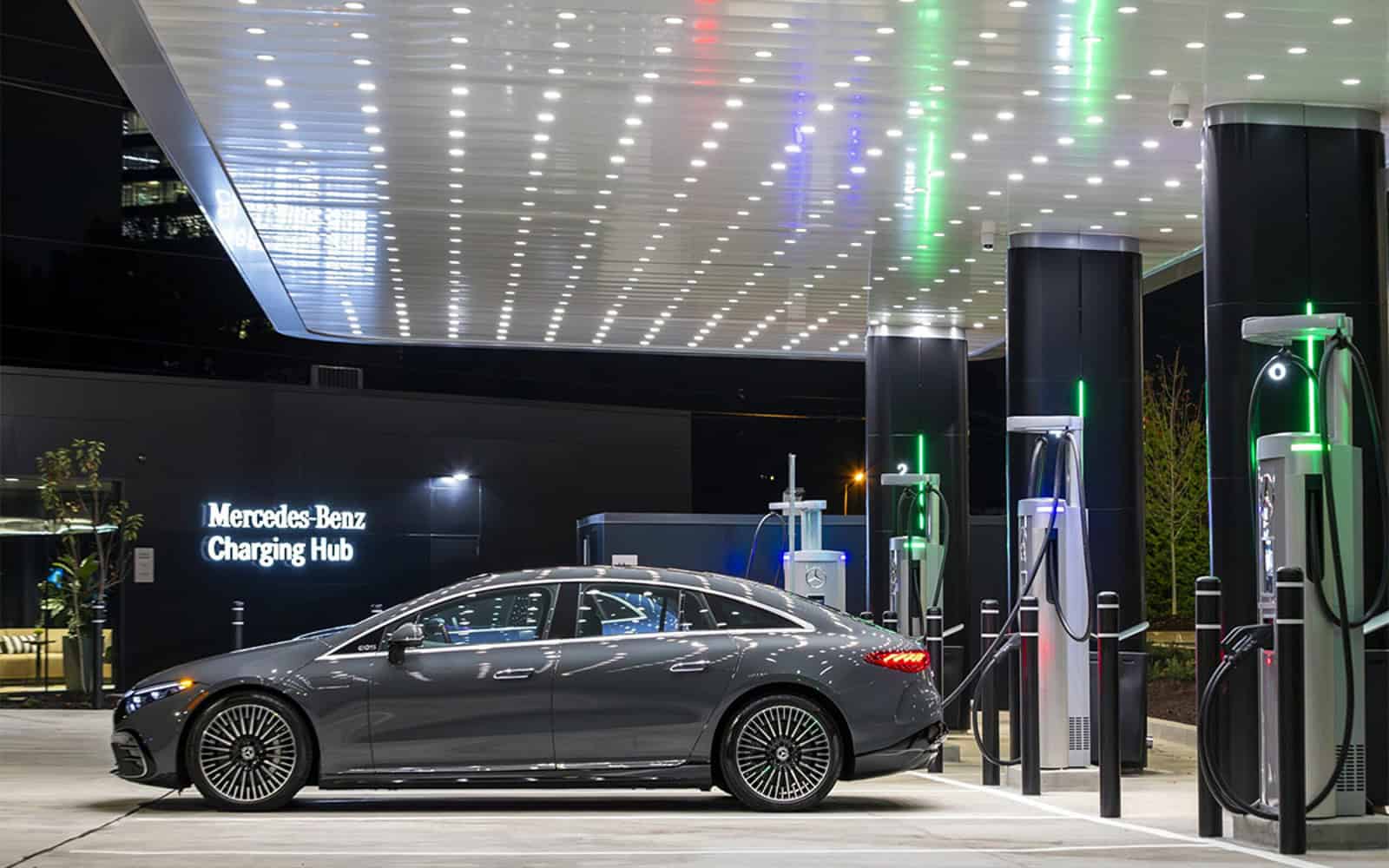
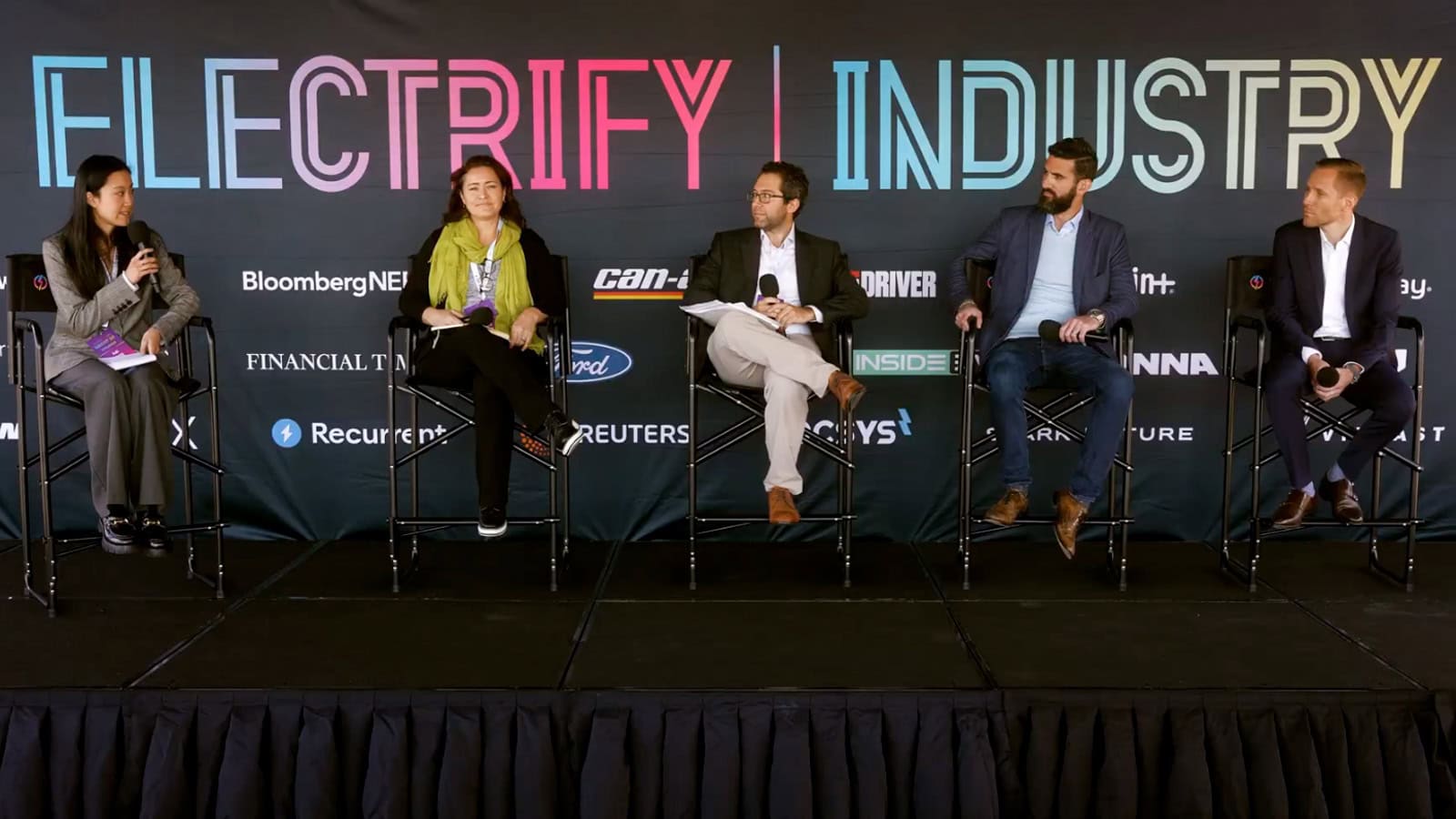
Outdoor festivals and large EV events increasingly need dependable on-site power without relying on diesel generators or overloading temporary grid connections. Mobile microgrids support vehicles, lighting, operations, and vendor needs while keeping emissions low and logistics sane. For emergency planners, the same logic applies under far higher stakes.
Electric vehicles never needed perfection from the grid. They needed flexibility. Mobile power delivers that flexibility today, not years from now, without forcing operators into infrastructure commitments before they are ready.
ADVERTISEMENT

IMAGES: SONEIL SPARK, ELECTRIFY EXPO
FTC: We use income-earning auto affiliate links. Learn more.