- Tesla ended Model S and Model X production at Fremont to prioritize Optimus robots and autonomy.
- Full Self Driving subscriptions rose 38% to 1.1 million users in 2025.
- Tesla reported $3.79 billion in net income for 2025, down sharply year over year, while shifting focus to AI and robotics.
ADVERTISEMENT
There was a time when the Tesla Model S felt untouchable. It delivered quiet speed with a rebellious edge and embarrassed established luxury brands while making electric vehicles feel inevitable.
The Model X followed a similar path, complete with quirks and its now-famous falcon-wing doors. That chapter has come to an end.
Tesla has ended production of the Model S and Model X at Fremont, a decision that hits longtime fans hard. But the surrounding context matters, especially now.

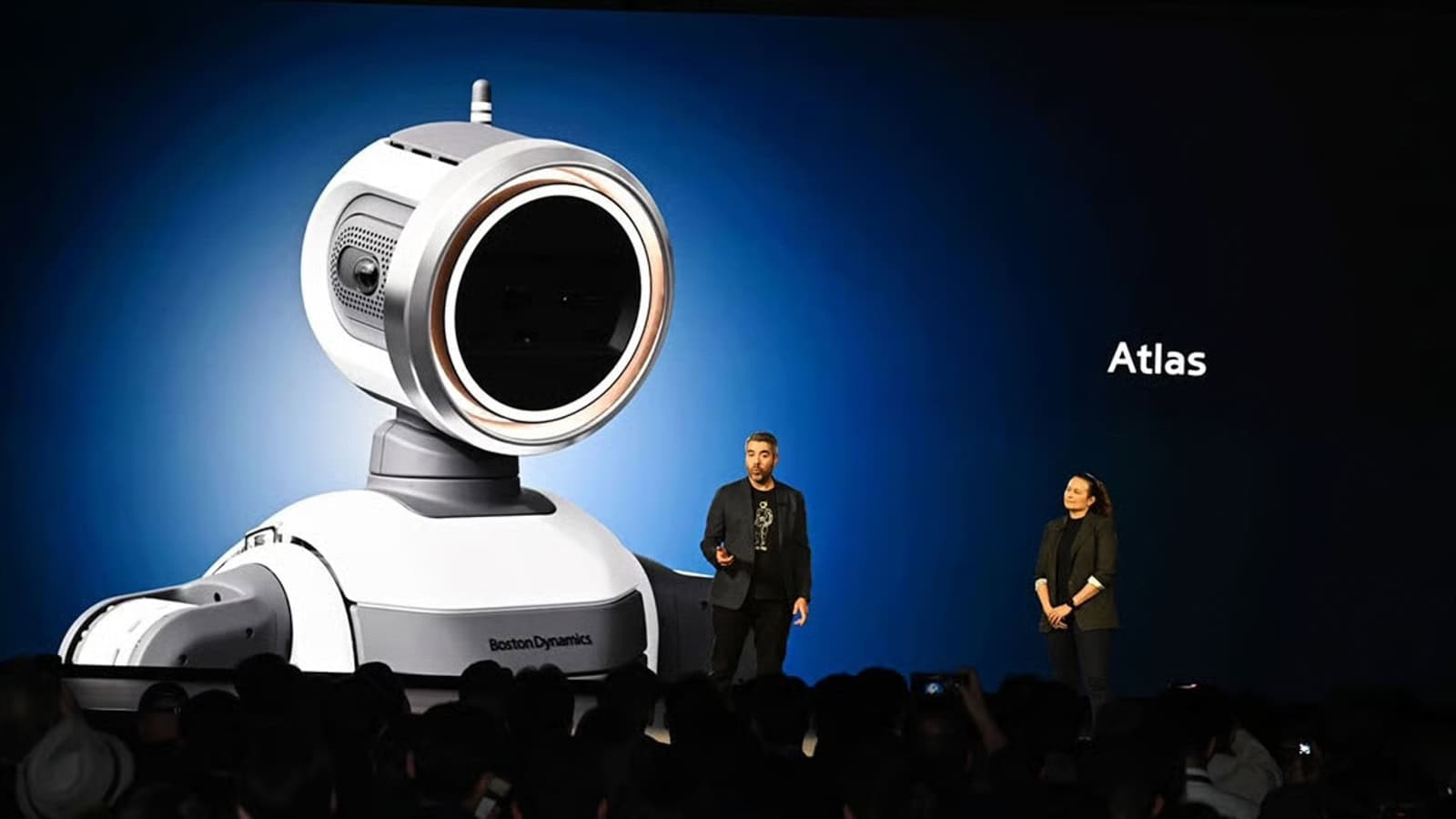
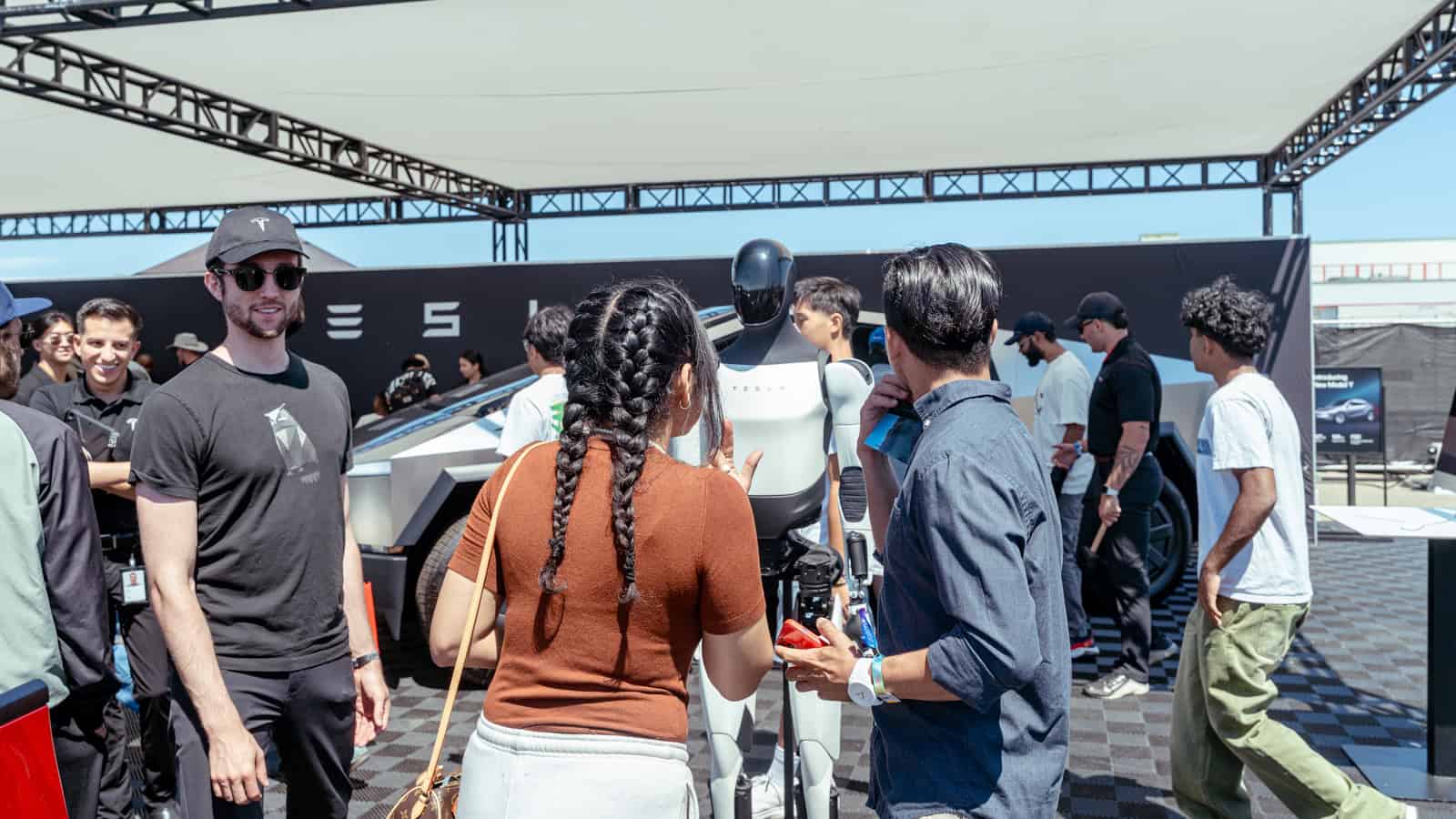
Fremont is getting reassigned, and the decision has nothing to do with refreshing another vehicle or chasing nostalgia. The factory that once produced GM and Toyota sedans, then later built Tesla’s earliest successes, now pivots to Optimus humanoid robots designed for industrial and commercial use.
Elon Musk says the long-range production target reaches one million robots per year, a figure that sounds extreme until he explains the purpose behind it. These machines handle repetitive physical labor, assist with medical tasks, and reduce operating costs across manufacturing, healthcare, and logistics.
Musk describes this outcome as “amazing abundance,” while also conceding that 2025 lands closer to what he calls “medium abundance.” The framing matters, because Tesla sees robots as infrastructure, not novelty hardware, and that distinction explains why Fremont now serves a very different priority.
ADVERTISEMENT
This change landed during a difficult financial period for Tesla. The company reported $3.79 billion in net income for 2025, a 46% decline year over year, on $69.52 billion in revenue, which fell 10 percent.
Those figures carry weight across Wall Street, inside the company, and among investors who remember healthier margins.
Still, one detail in the earnings report deserves closer attention than it received. Full Self Driving software subscriptions rose 38% to 1.1 million users, a number Tesla disclosed publicly for the first time, according to The Wall Street Journal.
Software revenue brings margins automakers crave because it relies on code and computing rather than factories, paint shops, or fragile supply chains.

That helps explain why Models S and X lost their seat at the table. Their platforms predate Tesla’s current autonomy stack. Retrofitting advanced FSD hardware into a chassis designed over a decade ago creates engineering friction.
Musk said it outright during the analyst call. “The only vehicle we will make that’s not autonomous is the Roadster.” Even that came with a caveat. He said he hopes to debut the Roadster in April.
Hopefully.
Then the warning. “It’s going to be something out of this world.” You have been warned.
ADVERTISEMENT
That same April timeline applies to the Cybercab, a compact two-seat vehicle designed without a steering wheel or pedals and intended for robotaxi service from the start.
Musk also discussed larger autonomous vehicles currently under development, which function as ride-hailing alternatives built strictly for fleet operations rather than private garages. In that structure, personal ownership becomes optional rather than expected.
Tesla owners can lease a Model 3 or Model Y and rent the vehicle during idle time, applying short-term rental logic to daily transportation. Musk suggested that some owners could operate their vehicles with no net cost and possibly generate income.
That idea sounds ambitious, yet urban ride demand and high autonomous utilization rates support the math behind it.


Tesla increasingly operates like an AI and robotics business that also happens to sell vehicles, a reality that became obvious during its latest earnings call. Discussion focused heavily on Optimus, autonomy, neural networks, and large-scale computation, while vehicle manufacturing played a far smaller role in the narrative.
That emphasis unsettles purists who still view Tesla primarily as a car company rooted in design, performance, and driving feel.
Yet the broader auto sector continues drifting in this direction, with software-defined platforms, recurring revenue models, and autonomy offered as a service gaining priority.
Tesla simply says the quiet part out loud.
ADVERTISEMENT
And before anyone writes the company off, remember this. Tesla survived production hell, near-bankruptcy moments, factory shutdowns, supply chain chaos, and relentless skepticism.
Fremont itself came from the ashes of GM’s collapse. That history matters. So does resilience.
The Model S earned Motor Trend Car of the Year in 2013 for a reason. The Model X pushed boundaries in 2015, sometimes too far. The Model 3 scaled in 2017. The Model Y followed in 2020 and became a global sales hit. The Cybertruck arrived in 2024 after endless delays and still pulled crowds.
This company adapts, sometimes awkwardly, often loudly.

Killing legacy models feels harsh. It also clears oxygen for what Tesla actually wants to build next. Robots. Autonomous fleets. Software revenue that compounds annually. That vision unsettles people because it breaks familiar patterns. It’s a fair reaction. Yet ignoring it misses the point.
Tesla no longer chases every driver. It chases utilization, automation, and margin. Love it or hate it, that strategy shapes the next decade of electric vehicles, robotics, and AI-driven mobility. The future Tesla wants feels strange. But strange has worked before.
ADVERTISEMENT

IMAGES: ELECTRIFY EXPO
FTC: We use income-earning auto affiliate links. Learn more.