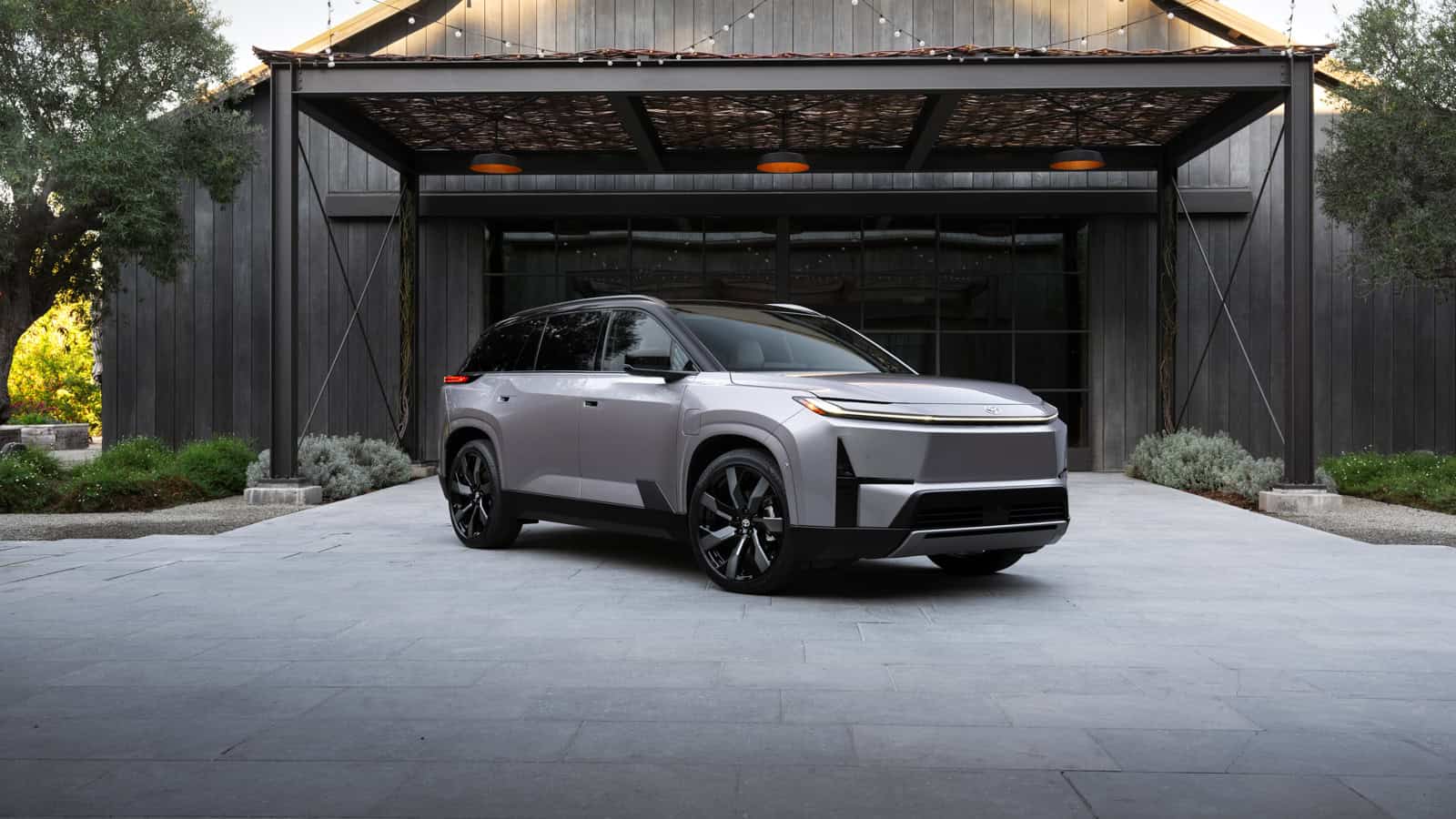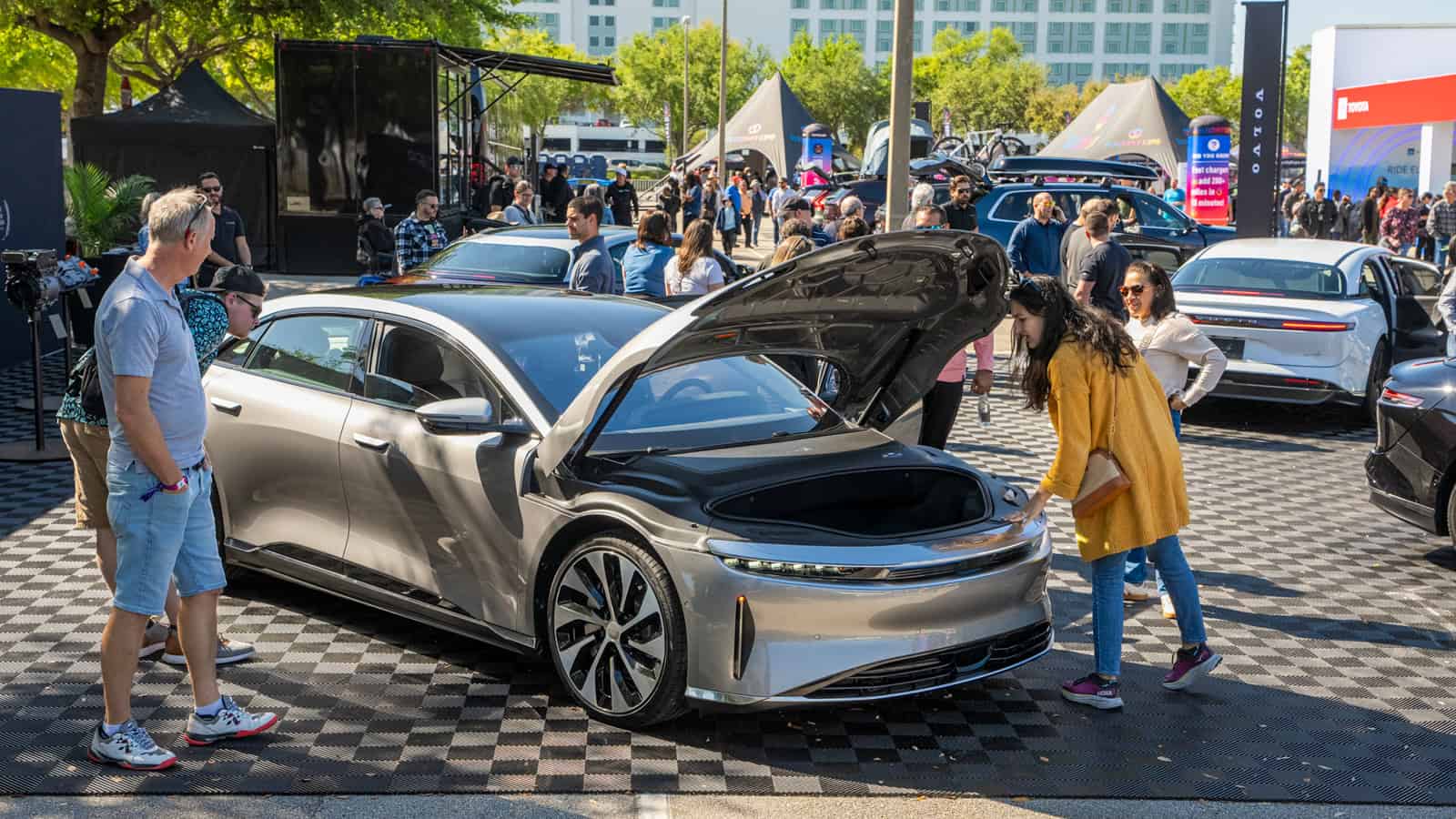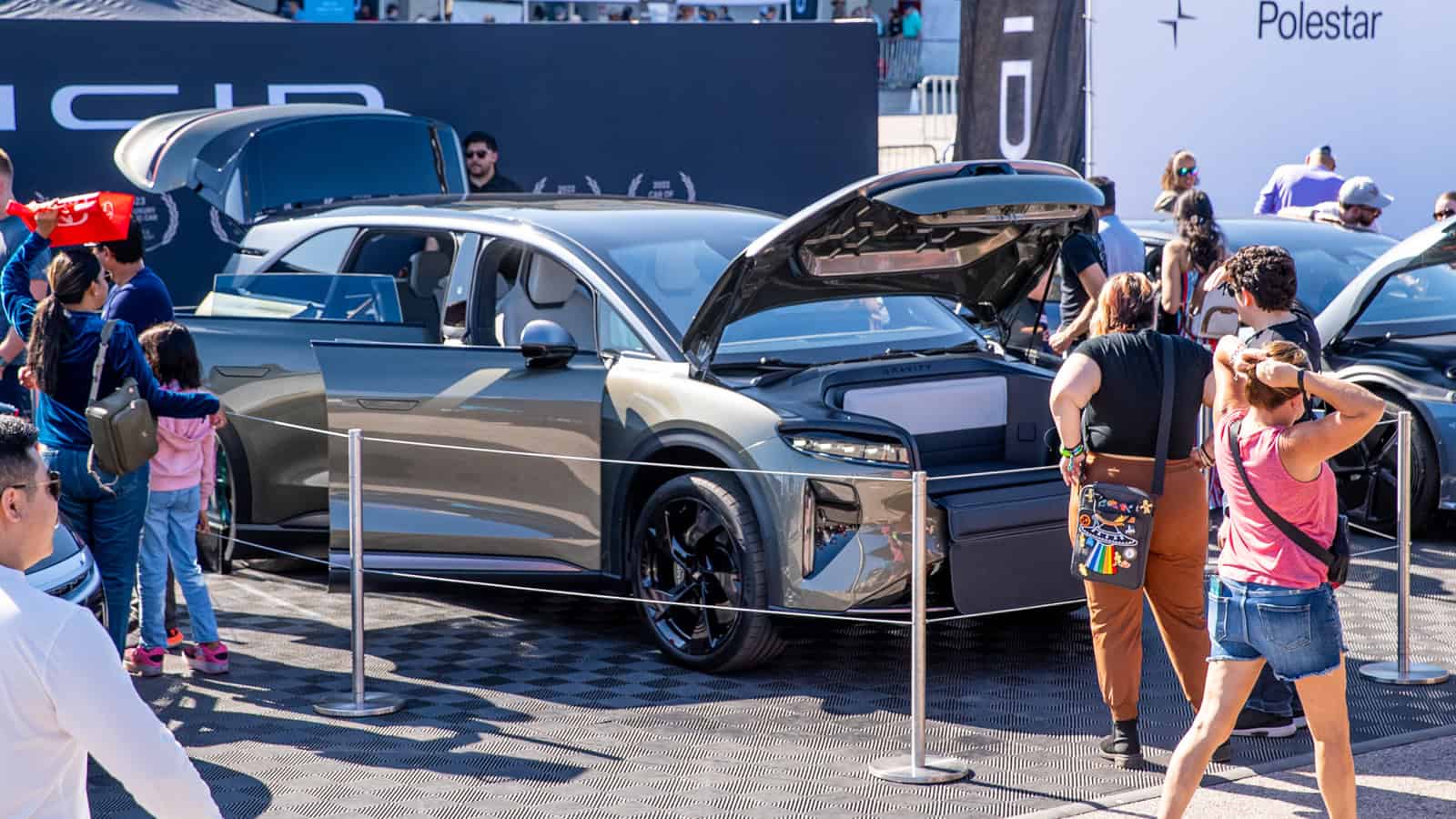
- Lucid Gravity achieves centimeter-level positioning accuracy even in tunnels and dense cities using Trimble RTX and ProPoint Go.
- The system improves hands-free driving assistance, battery range estimation, and navigation reliability.
- Existing Lucid Gravity vehicles gain this capability through an OTA software update starting January 2026.
ADVERTISEMENT
Anyone who drives in a dense city knows this moment. Your dashboard map freezes. The car thinks you are on a side street while you sit squarely in the middle lane. Then comes the recalculating spiral of doom. For years, drivers accepted that glitch as normal. That acceptance just ended.
The Lucid Gravity fixes one of the most frustrating, and safety-critical, gaps in modern vehicles. Knowing exactly where the car sits on the road. Not in controlled test environments. Not on clean maps. On real streets, inside tunnels, in parking garages, and through dense city corridors where GPS usually falls apart.

This matters because navigation accuracy underpins almost everything now. Driver assistance, hands-free systems, battery range predictions, even infotainment logic. When location data drifts by several meters, which happens constantly with standard GPS, systems start guessing. Cars hedge. Drivers compensate. Confidence erodes.
Lucid Gravity changes the math by building Trimble RTX and ProPoint Go directly into the vehicle’s positioning system. That integration brings lane-level accuracy measured in centimeters instead of meters. On paper, the difference looks minor. On real roads, it means the car knows exactly where it sits, not roughly where it might be.
Trimble has spent decades building high-precision positioning systems for aviation, agriculture, construction, and autonomous platforms. This technology already guides aircraft landings, farm equipment, and surveying systems where errors cost real money. Now it sits inside a production electric SUV.
ADVERTISEMENT
The technical trick here involves sensor fusion. Satellite corrections combine with six-axis inertial sensors, meaning accelerometers and gyroscopes that track motion even when satellites vanish. So when the Lucid Gravity enters a tunnel or a concrete parking structure, the car keeps track of exactly where it is, how fast it travels, and which lane it occupies.
Olivier Casabianca, Vice President of Advanced Positioning at Trimble, said, “This collaboration marks a major shift in how vehicles perceive the world. The Lucid Gravity is the first electric vehicle to fully integrate Trimble’s sensor fusion engine. We aren’t just helping the car find the road; we are enabling it to drive with resilience and reliability in the most challenging environments on earth.”
Perception drives automation, and poor perception breaks trust.

Hands-free driving assistance depends on geofencing and precise vehicle placement. Miss your lane by a meter and the system disengages. With lane-level positioning feeding directly into Lucid’s Hands-Free Driving Assist, the car knows its exact highway position at all times. Less uncertainty and fewer interruptions equals a calmer drive.
Battery range estimation benefits too. Altitude changes impact energy use far more than most drivers realize. Climbing drains batteries faster. Descents recover energy. Accurate elevation data allows the vehicle to predict remaining range based on terrain ahead. That difference removes anxiety during long drives.
Infotainment gains credibility as well. Lane-specific guidance enables richer navigation displays, smarter mobile app features, and clearer driver prompts. When the map matches reality, drivers trust what they see.
ADVERTISEMENT
Fleet operators notice this immediately. High-fidelity location data supports asset tracking, utilization analysis, and compliance logging with precision that older systems never reached. That capability used to require aftermarket hardware. Now it arrives standard.
Lucid Motors plans to include this positioning system as standard equipment on all new Lucid Gravity vehicles starting at the end of January 2026. Owners already on the road receive the upgrade through an over-the-air software update. Same vehicle with a smarter brain.
That OTA detail matters. It confirms that modern electric vehicles evolve through software architecture rather than mechanical revision cycles. Hardware already installed gains new capabilities through code and data integration.

This development also hints at where advanced driver assistance heads next. Autonomy discussions often focus on cameras and AI. Positioning rarely gets the spotlight. Yet without precise location context, even the best vision systems struggle. Lane-level accuracy anchors perception, planning, and control.
Drivers may never notice Trimble working quietly underneath the interface. That invisibility becomes the point. Navigation that stays accurate everywhere stops being a feature and starts feeling like basic competence. Finally.
ADVERTISEMENT

IMAGES: ELECTRIFY EXPO
FTC: We use income-earning auto affiliate links. Learn more.