- Ferrari Elettrica packs over 1,000 electric horsepower and hits 0-60 mph in just 2.5 seconds, all without a drop of fuel.
- It uses authentic mechanical sound, not fake speaker noise, giving drivers the real Ferrari feel in an electric setup.
- Built entirely in-house, from battery to e-axles, this EV shows Ferrari’s not outsourcing its future.
ADVERTISEMENT
Ferrari just plugged in the Prancing Horse, and Maranello did not flinch. At Capital Markets Day 2025, the company revealed Elettrica, a full electric model built component by component in house to keep the performance and driving feel only a Ferrari can deliver.
Why did Ferrari wait to go full EV? Because the brand held out until the technology could honor its character. The car uses a battery integrated into a purpose built chassis and a powertrain born from years of hybrid and Formula 1 development, finished with artisan craft and calibrated to give the visceral feedback Ferrari drivers crave.

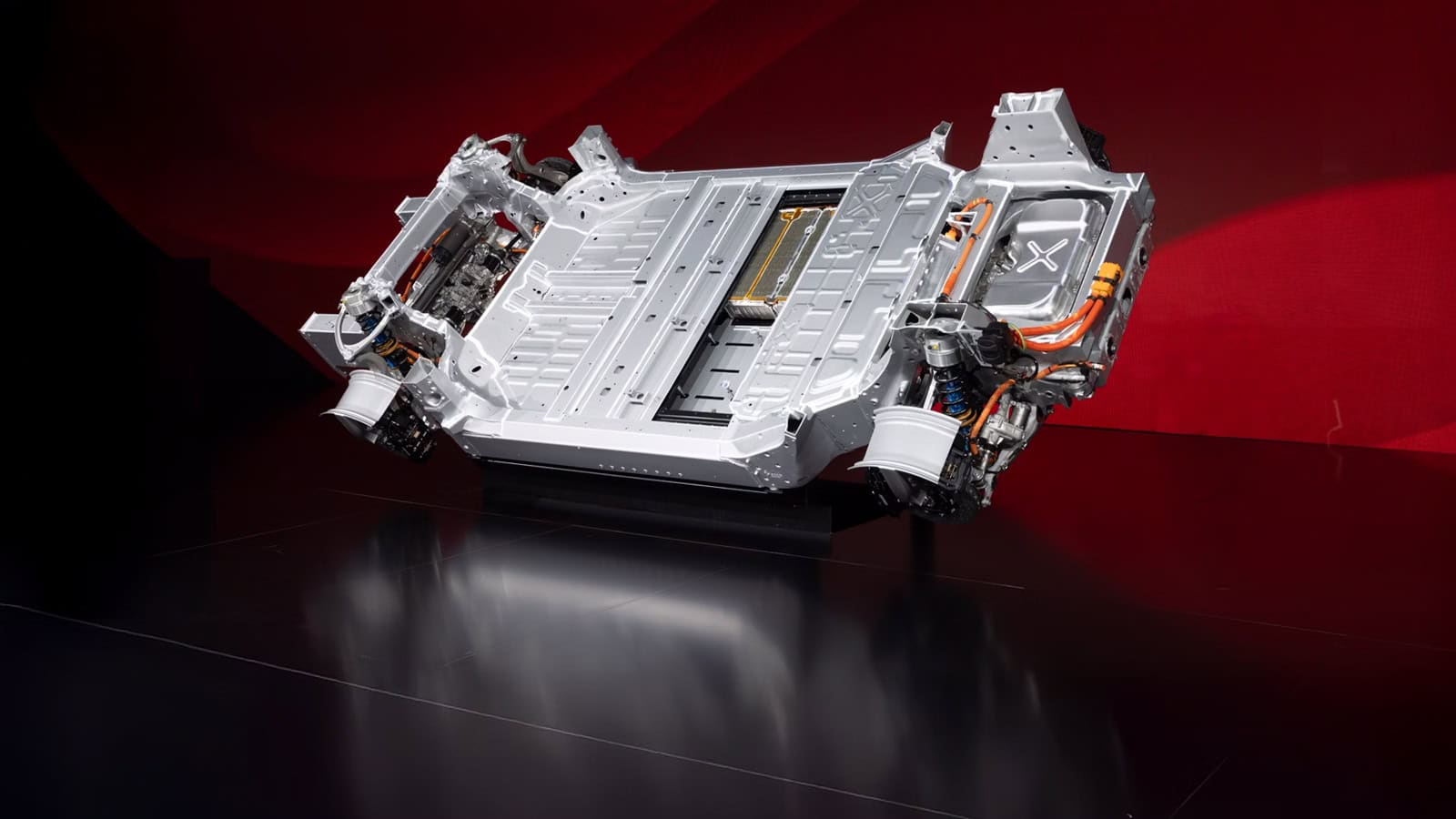
The chassis and bodyshell use 75 percent recycled aluminum, trimming roughly 6.7 tons of CO₂ per car during production. Ferrari keeps the big hardware in house, so the battery, inverters, and e-axles are developed and built in Maranello, which means tighter control over every detail.
The battery is part of the structure under the floor, not an add-on, with modules packaged between the axles. And 85% of those sit at the lowest point possible, dropping the center of gravity by 80 mm compared with a similar ICE model.
So what makes it feel like a Ferrari? Two e-axles, front and rear, each with twin synchronous permanent magnet motors. They enable torque vectoring, plus the choice of all-wheel drive or rear drive depending on the setting. Peak efficiency reaches 93 percent alongside serious power density. The front inverter sits inside the axle housing and weighs only 9 kg. The rear axle can produce 8,000 Nm at the wheels in Performance Launch mode.
ADVERTISEMENT
0 to 100 km/h in 2.5 seconds, 310 km/h (193 mph) at the top end. Boost mode pushes output past 1,000 CV. The battery is 122 kWh gross, arranged in 15 serviceable modules with 14 cells in each. It runs an 800 volt system and can take up to 350 kW from a DC fast source. WLTP range exceeds 530 km (239 miles).
The third-generation 48 V active suspension manages body control and ride comfort with sharper agility. Each wheel runs its own channel, so vertical, lateral, and longitudinal forces are tuned in real time. The layout also allowed Ferrari to create its first separate rear subframe, designed to cut vibration and cabin noise (NVH) while keeping the stiffness and handling feel you expect from Maranello.
This electric Ferrari makes its own voice. No canned soundtrack. A high-precision accelerometer reads vibrations from the drivetrain, then the system amplifies them into the cabin. The goal stays simple, give the driver a real-time audio link to the hardware at work, no fake engine noise. As Ferrari sound quality manager Antonio Palermo says, “The sound is authentic; it belongs to the components of the powertrain.”


Control sits right at your fingertips. Two paddles behind the wheel let you select five torque levels, smoothing transitions so any dip feels nearly invisible. The left paddle adjusts regenerative braking, recreating the familiar sensation of engine braking. The Manettino dial manages chassis dynamics, and the new eManettino handles energy modes, Range, Tour, and Performance, deciding which axles engage, how power is allocated, and how much is on tap.
Ferrari says Elettrica joins the range, a complement rather than a wholesale switch. CEO Benedetto Vigna adds that gas and hybrid models stay central through 2030. The updated 2030 mix targets roughly 20% fully electric, 40% hybrid, and 40% internal combustion.
The debut reads as a clear turning point in how Ferrari blends craft, engineering heritage, and electric tech.
ADVERTISEMENT

SOURCE | IMAGES: FERRARI
FTC: We use income-earning auto affiliate links. Learn more.