- Retail based EV charging increases dwell time and consumer spending.
- Lake Nona West will feature a 20-stall Level 3 Mercedes-Benz High-Power Charging hub with speeds up to 400 kW.
- Charging at everyday destinations reduces range anxiety and stress by fitting into existing routines.
ADVERTISEMENT
Something surprising happens the first time you pull into a shopping plaza, step out of your EV, and realize your car can refill itself while you grab a coffee, a new lipstick, or a Pilates class. No waiting in the car or staring at a screen. Life keeps rolling while electrons flow.
Have you ever thought about how strange it feels that gas stations were once places you rushed through, yet EV charging stations quietly turn parking lots into places you want to linger?
That contrast matters. A lot.

Retail and destination locations sit at the heart of daily routines. Grocery runs, fitness classes, date nights, and airport drop-offs. These stops already demand time, which lines up perfectly with how modern EV charging works.
Fast charging thrives when it fits naturally into existing behavior. Not as an interruption, but as background activity. Like your phone charging while you sleep.
Lake Nona West, opening summer 2026 near Orlando International Airport, understands this dynamic better than most. The 405,000-square-foot lifestyle destination brings together Target, Nordstrom Rack, Barnes & Noble, Dick’s Sporting Goods, Total Wine & More, Homesense, and dining concepts like Cañonita.
ADVERTISEMENT
Add Sephora for beauty routines and JETSET Pilates for fitness regulars, and suddenly you have a place where people already plan to spend time.
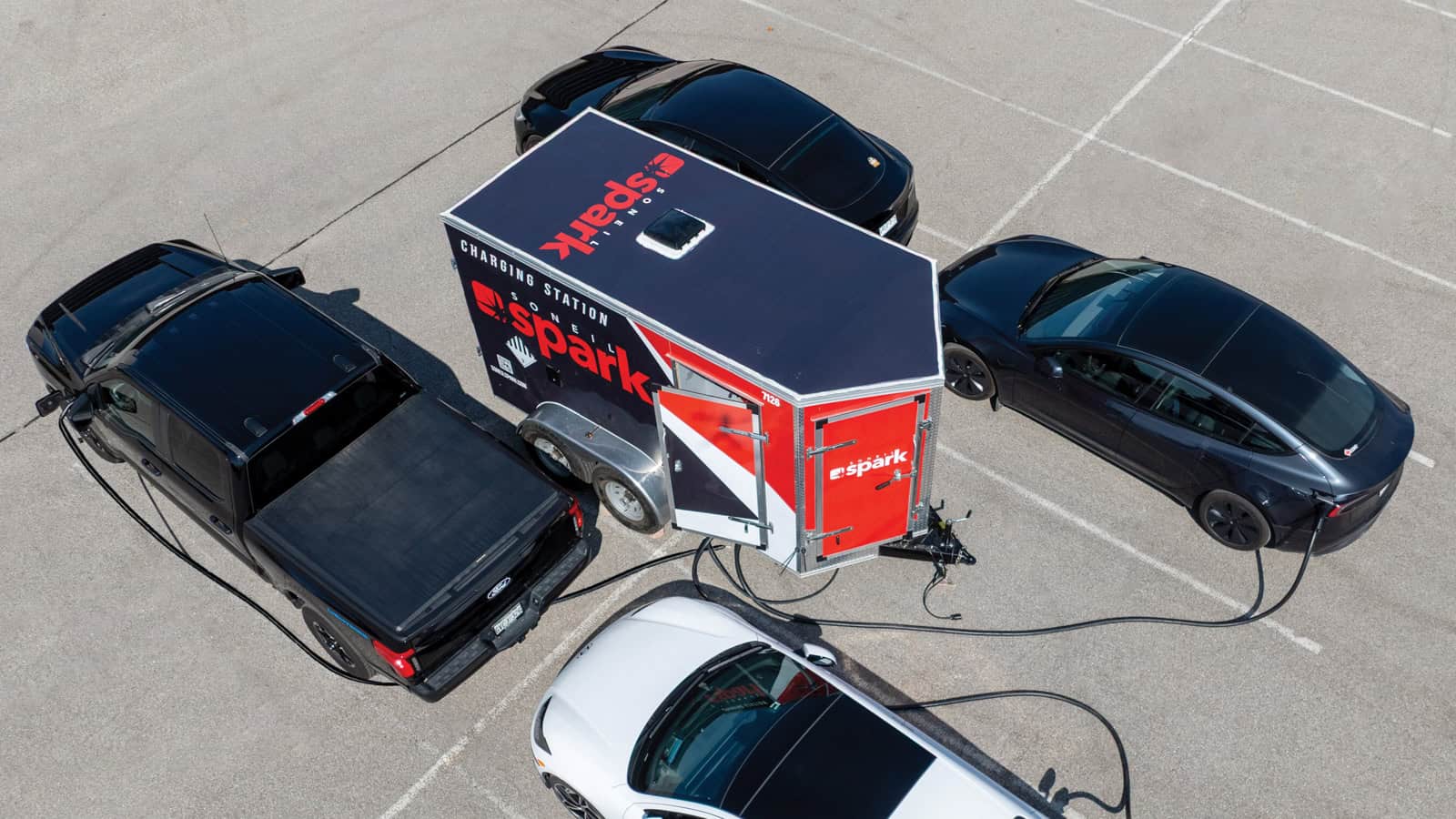
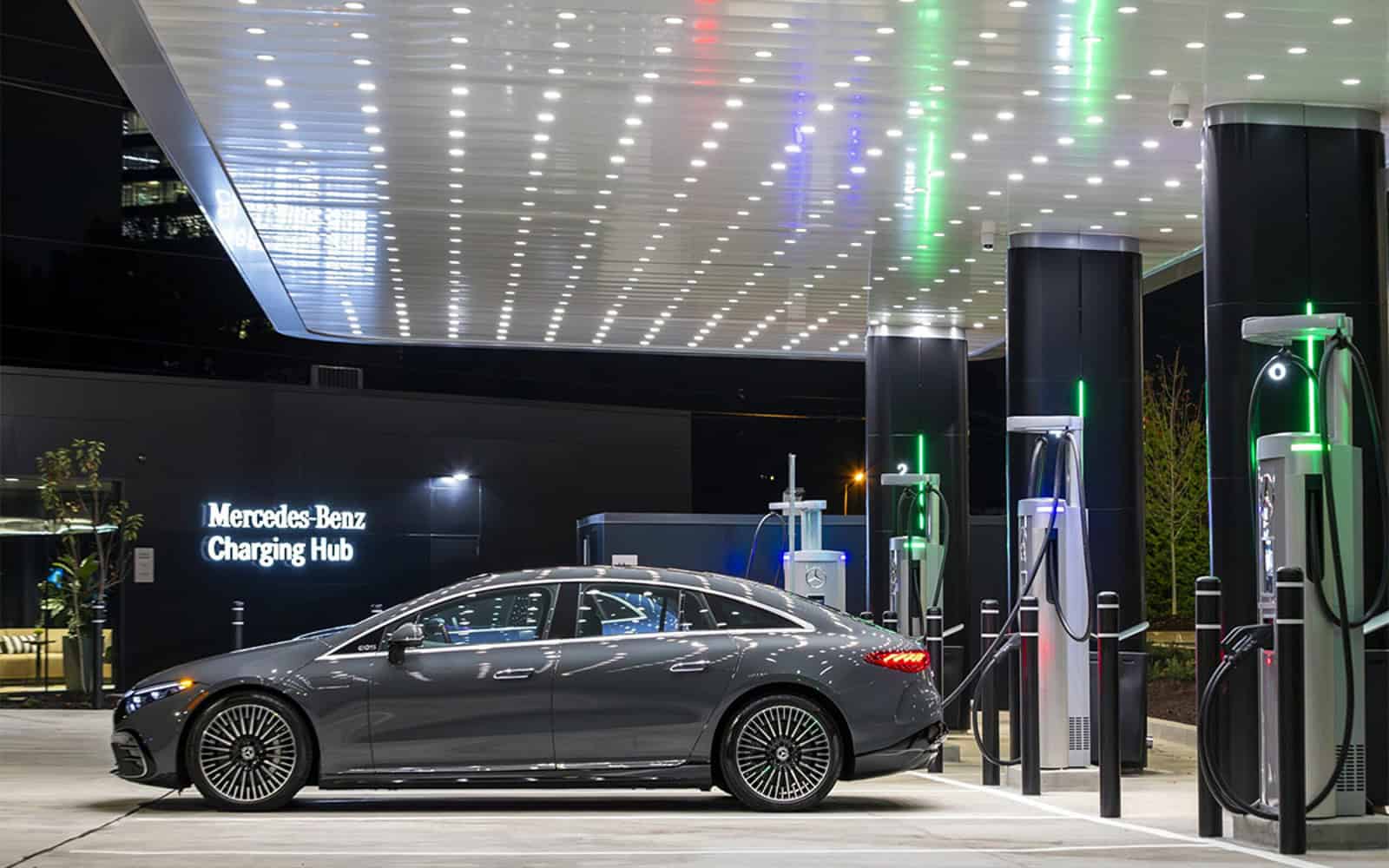
Now layer in a 20-stall Level 3 EV charging hub powered by Mercedes-Benz High-Power Charging (MBHPC). That detail changes how the space functions. Ultra-fast speeds reaching up to 400 kW mean a compatible vehicle can add hundreds of miles of range during a normal shopping visit.
That speed uses direct current fast charging, or DCFC, which bypasses the car’s onboard converter and sends energy straight to the battery. Think of it like an IV drip versus sipping water through a straw.

Mercedes-Benz High-Power Charging has rolled out similar hubs across the U.S., often near retail corridors and travel routes. The company has publicly shared plans to deploy thousands of chargers nationwide by the end of 2030, many with amenities like canopies, lighting, and open access for all EV brands. This matters because availability anxiety, that uneasy feeling drivers get when unsure where to plug in, still ranks as a top barrier to EV adoption according to J.D. Power studies.
Skipper Peek, Senior Vice President of Commercial Sales and Development at Tavistock Development Company, captured the philosophy behind Lake Nona West perfectly, saying, “Sephora represents the type of experiential, lifestyle-driven retail that continues to expand in Lake Nona, as the area attracts national brands looking to serve this growing market.”
That same logic applies to charging. People want services that fit their lives, not detours that feel like chores.
ADVERTISEMENT
The MDPI study finds that access to charging, including home charging options, plays a key role in people’s decisions to adopt electric vehicles, and drivers regularly weigh the availability of charging facilities when planning their time and travel, since limited access can affect how confidently they use and rely on EVs.
There’s also a medical parallel worth noting. The human brain releases cortisol, a stress hormone, during uncertainty. Range anxiety triggers a similar response. Reliable charging at familiar places lowers that stress, creating a calmer experience that keeps drivers loyal to both the vehicle and the destination.
Retailers benefit too. A study from MIT has found that EV drivers spend longer on-site when charging, and longer visits often translate into higher retail spend. A 20-minute session can easily become a book purchase, a workout, and dinner plans. Suddenly, the parking lot feels like prime real estate.

Lake Nona West’s design helps this concept land smoothly. Shaded promenades, walkable plazas, and gathering spaces encourage people to step away from their cars without rushing back. The charging hub fits into that rhythm instead of competing with it.
And yes, there’s a quiet airport advantage here. Locations near Orlando International Airport attract travelers who need fast, reliable energy before or after flights. Charging while shopping beats circling highways searching for standalone stations. Anyone who has juggled luggage, traffic, and a low battery knows that relief feels real.
ADVERTISEMENT

SOURCES | IMAGES: J.D. POWER, MDPI, MIT | TAVISTOCK DEVELOPMENT COMPANY, MERCEDES-BENZ HIGH-POWER CHARGING
FTC: We use income-earning auto affiliate links. Learn more.